Regional Multilogue
Sandeep Dikshit
NEW DELHI: Prime Minister Manmohan Singh on Monday said India would be unable to realise its full development potential unless it had the “best possible” relations with its neighbours, especially Pakistan.
Addressing his first national conference marking the first anniversary of the United Progressive Alliance government’s second term in office, the Prime Minister dwelt at length on the rationale for opening talks with Pakistan. In the seven questions on India-Pakistan ties posed to him, Dr. Singh explained the recent background, the inevitability of dialogue and the road ahead.
“The composite dialogue had been suspended soon after the attacks in Mumbai. Subsequently, the process has not moved forward. I am hopeful that this process can move forward. That was, at least, the message I got from talking to the Prime Minister of Pakistan [during their April 29 meeting on the sidelines of the SAARC summit in Thimphu],” he said. (more…)
Siddharth Varadarajan
Forget Kashmir and terrorism or even Afghanistan and water, the current stalemate between India and Pakistan is all down to one word. Both countries publicly say that Dialogue is the only way forward. Yet each is paralysed by the name ‘Composite’. New Delhi is so allergic to it that it will not accept its use, while Islamabad has become so attached to the C word that it insists there can be nothing else.
This Indian allergy and Pakistani attachment is paradoxical, since the composite dialogue approach has suited India more than it has Pakistan. Under the guise of moving ahead simultaneously on all issues, the framework has allowed progress on trade and other subjects considered important by New Delhi, even as the status quo on major disputes like Kashmir and Siachen — key concerns for Islamabad — has held. Of course, the dialogue did not end cross-border terrorism or extinguish the links between the Pakistani security agencies and violent extremism as some on the Indian side might have hoped. But that was always an improbable shot given the DNA of the Pakistani establishment. Over time, India has realised the best way to deal with the threat of terror is by strengthening its internal capabilities while utilising engagement as a lever for influencing Pakistan’s behaviour over the long run.
(more…)
SAHR believes that most problems in South Asian countries require South Asian perspectives and solutions. Narrow nationalism has not and cannot solve South Asian problems and lead South Asia towards welfare of its people, justice and peace. SAHR also believes that this is a time for us to discuss the nature of our problems with open minds, considering the new complexities and emerging challenges.
Towards this end, SAHR plans to bring together concerned and conscientious citizens – from different sectors of society – to identify impediments to peace in South Asia and to suggest initiatives to move forward towards progress and cooperation in the region. The Multilogue is expected to be held at the India International Centre, New Delhi from the 13th to 15th September 2010.
Based on an in-depth analysis, this Multilogue will evolve guidelines and strategies aimed at a peaceful and just resolution of conflicts that are adversely affecting the development, well being as well as human rights and dignity of people of South Asia.
This 3-day South Asian Multilogue will bring together a group of 35 South Asian professionals, political leaders, cultural activists and media persons, both women and men, who are well known for their expertise, involvement and commitment to peace with justice, pluralism, democracy and human rights, that can provide the framework for a people centred development.
The following issues will be discussed at the Multilogue:
1. Challenge of Terrorism, Militancy & Religious Extremism
2. Tyranny of Majoritarianism & Divided Polities
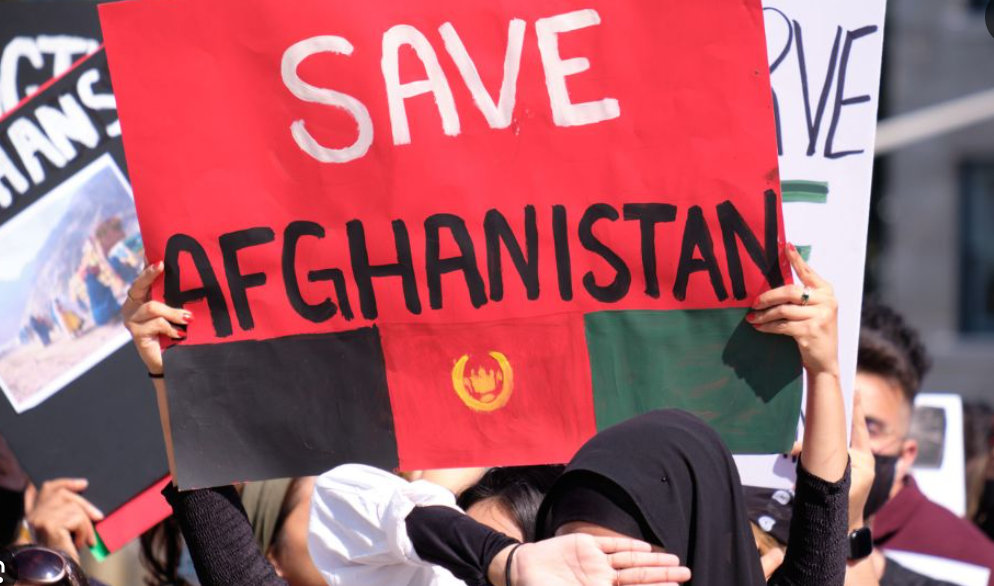
3. Towards Sustainable Peace in Afghanistan
4. Counter Strategies of the State with reference to control regulations, impunity, dissapearances and visa restrictions.
5. Promoting Peace & Cooperation in South Asia in terms of economic cooperation, inter state relations, sustainable solutions for the internally displaced and people displaced across borders.


Loading...